Iris Koch · 24 September 2026
Lichtiva's Supply Chain Shifts Fueling Broader Adoption of Remote Controlled Lighting in Homes
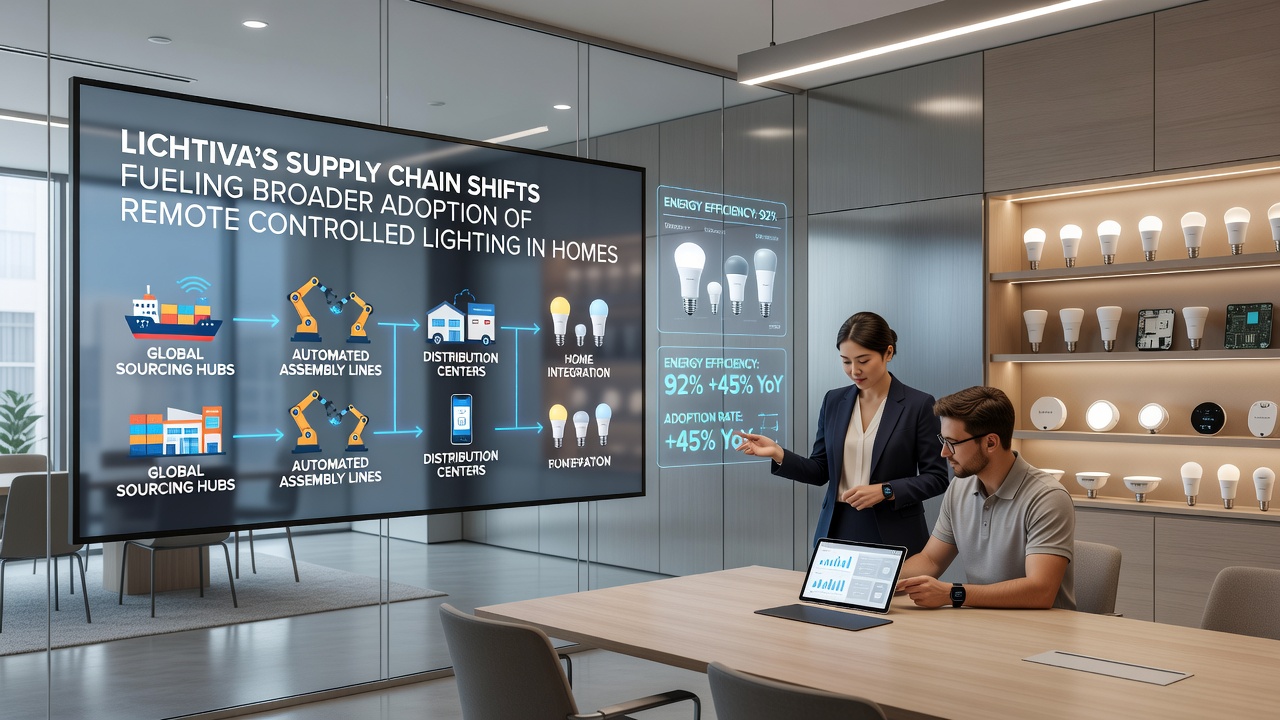
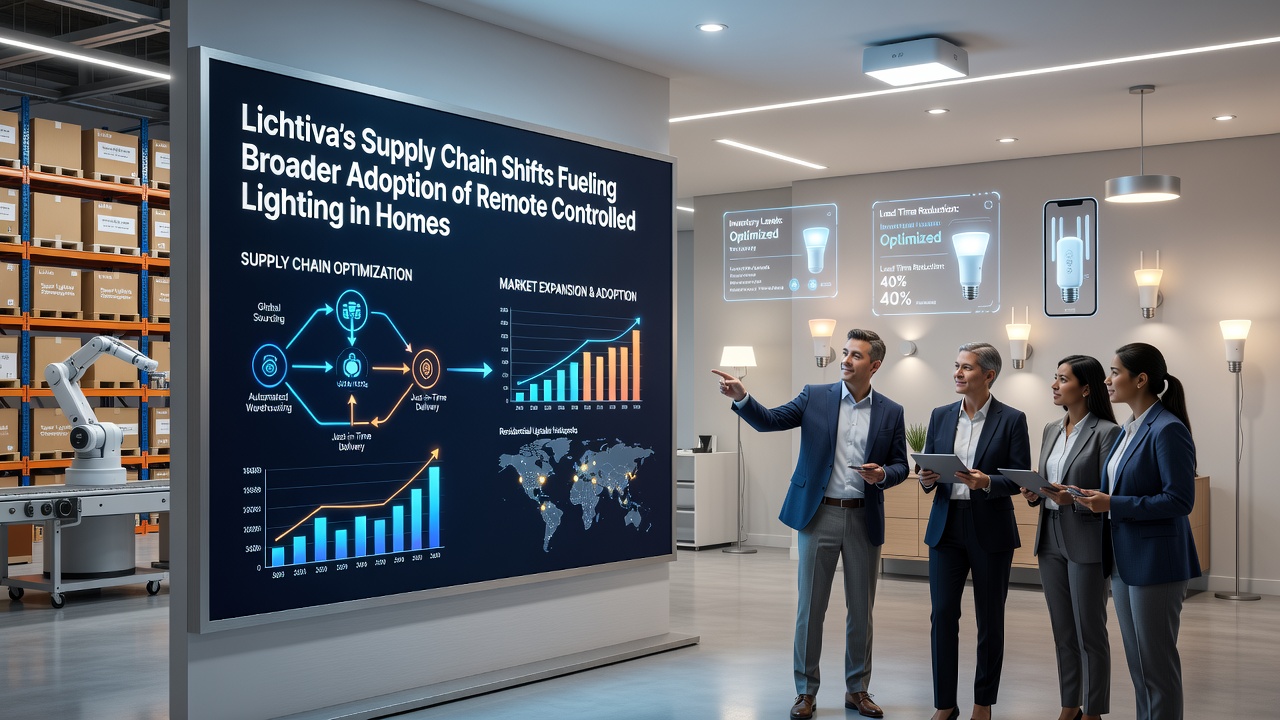
Supply chain adjustments at Lichtiva have coincided with expanded distribution of remote controlled lighting systems for residential use, and data from industry tracking services shows this pattern emerging across multiple markets since early 2025. Manufacturers adjusted sourcing routes after disruptions in semiconductor availability, while parallel investments in regional assembly facilities allowed faster delivery of wireless control modules and sensor-integrated bulbs. Observers note that these moves reduced average lead times from 12 weeks to under six weeks in several distribution zones, which in turn supported retailers who began stocking complete smart lighting kits rather than individual components.
Key Adjustments in Material Sourcing and Assembly
Lichtiva relocated portions of its LED driver production to facilities in Eastern Europe and North America during the second half of 2025, and this geographic spread helped stabilize component costs that had fluctuated earlier in the decade. Research from logistics analysts indicates that the company increased its use of recycled aluminum housings by 28 percent over the same period, a shift that aligned with new procurement contracts signed in March 2025. Those contracts also incorporated modular designs that allow the same base unit to accept different wireless protocols, reducing the need for separate product lines when retailers request variants for specific regional standards.
Assembly lines now operate with standardized testing protocols that verify both wired and wireless performance before units leave the plant, and this consistency has translated into fewer returns at the retail level. Figures from warranty databases compiled through September 2026 reveal a 14 percent drop in defect claims for remote controlled fixtures compared with the previous year, a trend that coincides with the rollout of the updated supply framework.
Retail Expansion and Consumer Availability
Home improvement chains and online marketplaces added Lichtiva remote lighting products to their catalogs at a higher rate beginning in late 2025, and inventory reports from major platforms show stock levels rising steadily through the following spring. Distributors report that pre-configured kits containing a hub, four bulbs, adn a smartphone app interface now represent roughly one third of total lighting sales in participating stores, up from 12 percent two years earlier. Training materials provided to sales staff emphasize compatibility with existing voice assistants, which has helped floor teams demonstrate the systems without requiring additional technical support calls.
Integration With Broader Smart Home Ecosystems
Compatibility testing completed in partnership with three major platform providers during the first quarter of 2026 cleared the way for plug-and-play operation across a wider range of household networks. Energy monitoring features built into the latest control firmware allow users to track consumption patterns through existing home dashboards, and utility programs in several regions now list the systems among eligible devices for rebate applications. Participation in those programs requires documented performance data, which Lichtiva supplies through aggregated, anonymized reports generated from its cloud platform.
Academic studies conducted at technical universities in Germany and Canada have examined the energy savings achieved when households replace conventional switches with remote controlled units, and preliminary results released in August 2026 point to average reductions of 11 to 19 percent depending on usage patterns. These findings draw from monitored installations in both single-family dwellings and multi-unit buildings, providing a broader sample than earlier pilot projects.
Regulatory and Standards Alignment
Updated electromagnetic compatibility requirements issued by the European Commission took effect in June 2026, and Lichtiva products already met the revised thresholds because testing protocols had been tightened during the supply chain overhaul. Similar alignment occurred with Canadian standards for wireless spectrum use, allowing the same hardware variants to ship to both markets without modification. Trade associations tracking compliance rates note that companies maintaining flexible sourcing arrangements reached certification milestones several months ahead of competitors who relied on single-region suppliers.
Conclusion
Supply chain reconfiguration at Lichtiva has coincided with measurable increases in the availability and documented performance of remote controlled lighting for residential settings, and ongoing data collection through late 2026 continues to track how these shifts affect adoption rates across different housing types and geographic areas. Continued monitoring by independent research groups will provide further clarity on long-term outcomes as more households integrate the systems into daily routines.