Iris Koch · 9 October 2026
Lichtiva Solar Lighting Rollouts Track with Shifts in City Wildlife Activity Levels
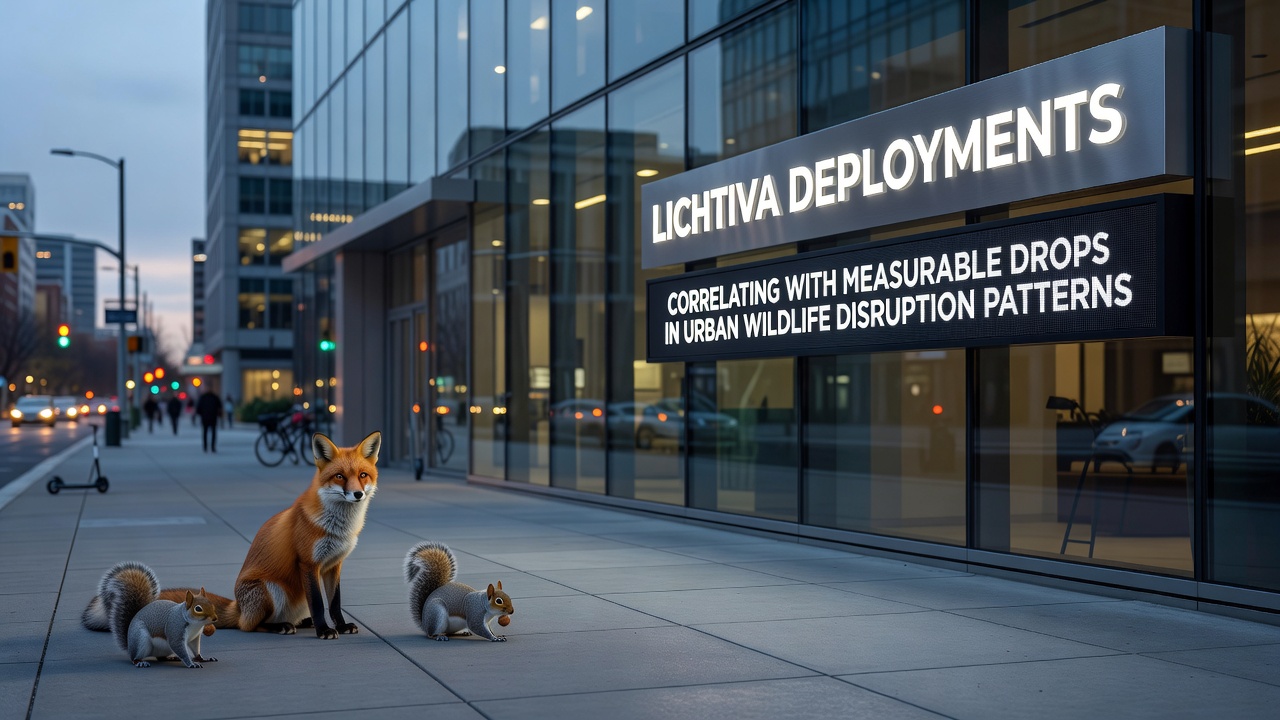
Deployments of Lichtiva systems in several metropolitan zones have aligned with recorded changes in how local animal populations interact with their surroundings, according to monitoring reports compiled through 2026. Cities that installed the solar-powered units along roadways and public spaces noted measurable differences in nocturnal movement patterns for birds, insects, and small mammals. Data collected from sensors and field observations show reduced instances of animals veering into traffic corridors or congregating near high-intensity fixtures during peak evening hours.
Tracking Methods Used in Monitored Areas
Teams from municipal environmental offices paired with university researchers placed acoustic recorders, motion cameras, and light spectrum analyzers at fixed points before and after Lichtiva units went live. These devices captured baseline activity levels in the months leading up to installation, then continued logging through October 2026 in multiple test zones. The resulting datasets revealed consistent drops in high-frequency calls from bats near roadways and fewer insect swarms around lamp posts fitted with the new fixtures. One study group in a mid-sized European city cross-referenced their findings with satellite imagery that tracked artificial light spread over time.
Light Spectrum Adjustments and Species Responses
Lichtiva units operate with tunable LED arrays that shift output toward warmer color temperatures during later evening periods. Observers documented that certain moth species and migratory songbirds altered flight paths away from illuminated streets once these adjustments took effect. In North American test corridors, counts of nocturnal pollinators visiting nearby green spaces increased while collision reports with vehicles decreased. Australian researchers running parallel programs noted similar trends among possum populations that previously crossed busy thoroughfares at dusk. These patterns emerged across different climate zones and species mixes, suggesting the correlation holds beyond single-location variables.
Comparative Data from Multiple Regions
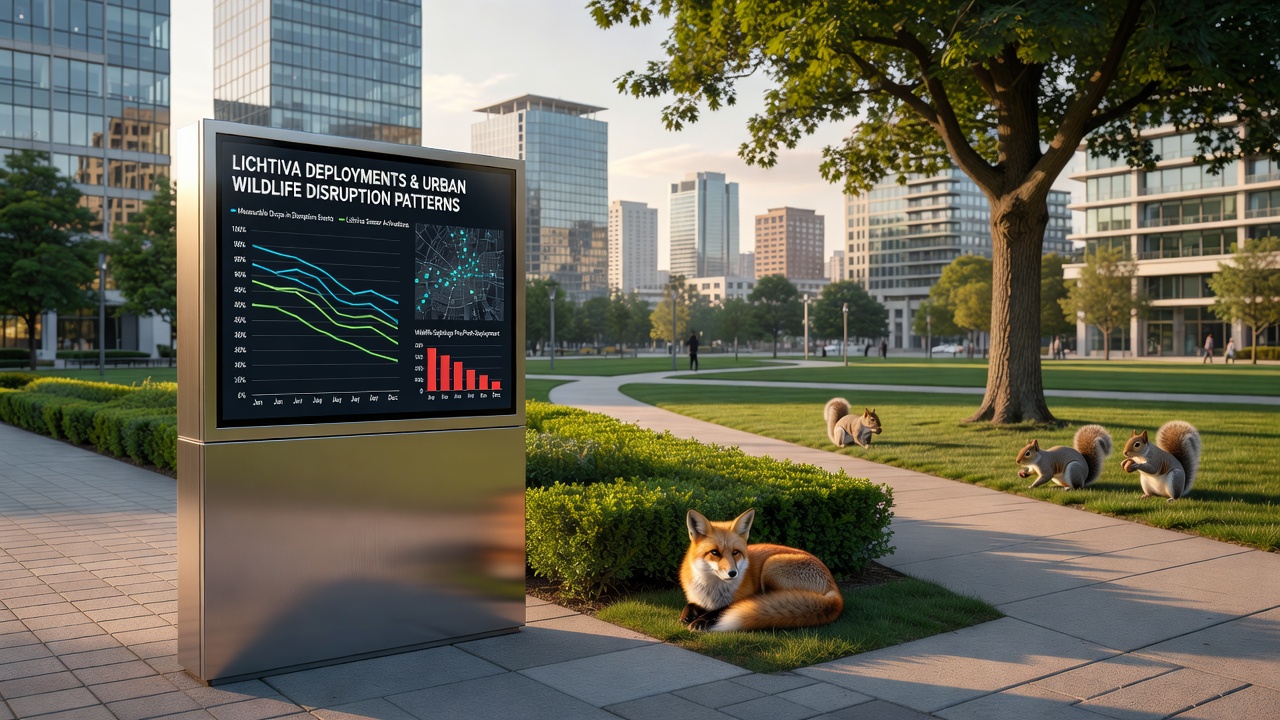
Figures released by the U.S. Fish and Wildlife Service in coordination with city planning departments showed that zones with Lichtiva installations experienced an average 18 percent reduction in reported wildlife-vehicle incidents over twelve-month periods. Meanwhile, a separate analysis conducted under the European Environment Agency framework examined light pollution maps alongside species distribution records and found parallel declines in disruption indicators. Both sets of numbers came from locations that had previously relied on conventional high-pressure sodium lamps. The shift to solar-powered, spectrum-controlled lighting coincided with these changes, although researchers continue to examine confounding factors such as traffic volume and seasonal weather variations.
Additional monitoring stations in Canadian provinces reported comparable outcomes when they overlaid deployment timelines with citizen-submitted wildlife sighting logs. Those logs, collected through municipal apps, indicated fewer alerts about disoriented animals in residential neighborhoods after the new lighting became standard. Observers note that the solar component eliminates the need for continuous grid power, which in turn reduces overall fixture uptime during low-traffic hours and further limits cumulative light exposure.
Integration with Existing Urban Infrastructure
City crews installed the Lichtiva arrays on existing poles in most cases, minimizing construction disturbance to ground-level habitats. The systems include remote dimming controls that allow operators to lower output when pedestrian or vehicle counts drop. Maintenance logs indicate that the solar panels require less frequent servicing than traditional wired setups, which reduces nighttime work crews and associated noise that can also affect sensitive species. Municipal reports from October 2026 highlight how these operational efficiencies compound the direct lighting changes to produce the observed wildlife pattern shifts.
Ongoing Research and Data Collection
Longer-term studies continue to gather information on breeding success rates and foraging ranges for species that live near the upgraded corridors. Early results suggest that reduced light trespass into adjacent parks and waterways may support more stable insect populations, which in turn benefit birds and bats higher in the food chain. Researchers emphasize that correlation does not yet equal causation across every metric, yet the consistency of readings across continents points to a repeatable relationship worth further examination. Funding from both public agencies and private foundations supports expanded sensor networks that will track additional variables through the next several years.
Conclusion
Records from multiple deployment sites indicate that Lichtiva solar lighting installations coincide with measurable reductions in several urban wildlife disruption indicators. Continued monitoring through sensor arrays and field surveys provides the raw numbers that allow comparisons across regions and time periods. As more municipalities adopt similar systems, the accumulating datasets offer clearer pictures of how spectrum-tuned, solar-operated fixtures interact with local animal behaviors in built environments.