Erik Friedrich · 8 October 2026
International Demand Patterns for Eco-Conscious Lighting Solutions Evident in Lichtiva Performance Data
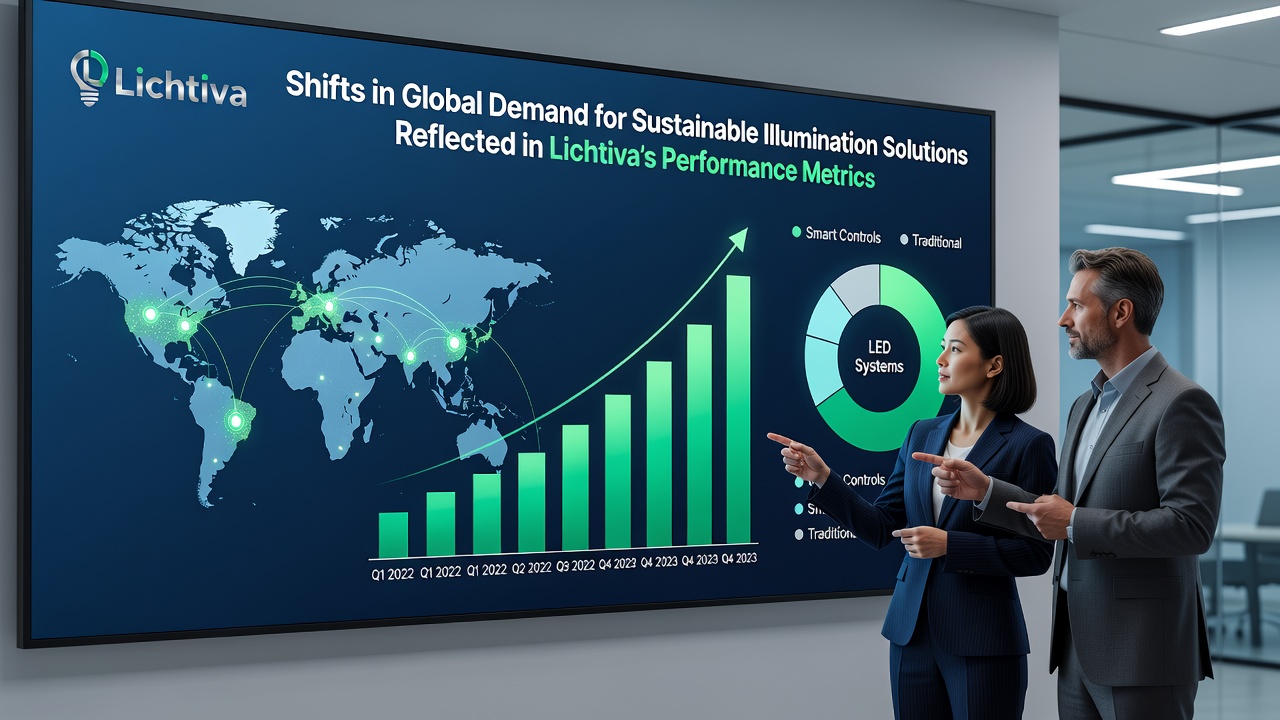
Shifts in worldwide preferences toward energy-saving illumination technologies have aligned closely with Lichtiva performance indicators over recent reporting periods, and observers note that these changes appear in sales volumes, regional distribution figures, and product mix data. In October 2026, company records showed increased shipments of solar-integrated systems to markets in Europe, Asia, and North America, while demand for conventional grid-dependent fixtures declined in the same regions according to internal metrics released by the firm.
Market Expansion Across Regions
Performance data from Lichtiva indicates that orders originating outside Germany rose by measurable percentages during the first three quarters of 2026, and this pattern coincided with policy updates in several countries that favor reduced energy consumption in public and private lighting installations. Figures reveal stronger uptake in municipal contracts for remote-managed LED arrays, whereas residential applications contributed additional volume through direct-to-consumer channels in Australia and Canada.
Those who track supply chain movements point out that component sourcing adjustments allowed Lichtiva to meet accelerated delivery timelines, and these operational changes supported higher throughput without corresponding increases in inventory holding costs. Data shows that average order sizes grew in the commercial segment, reflecting larger-scale projects such as campus-wide retrofits and highway corridor upgrades.
Technology Adoption and Efficiency Gains
Lichtiva metrics further document a transition toward products that combine photovoltaic panels with intelligent controls, and this segment accounted for a rising share of total revenue in the October 2026 quarterly summary. Researchers at institutions studying urban energy use have documented parallel movements in other manufacturers' portfolios, yet Lichtiva records stand out because they include granular breakdowns by wattage class and control protocol.
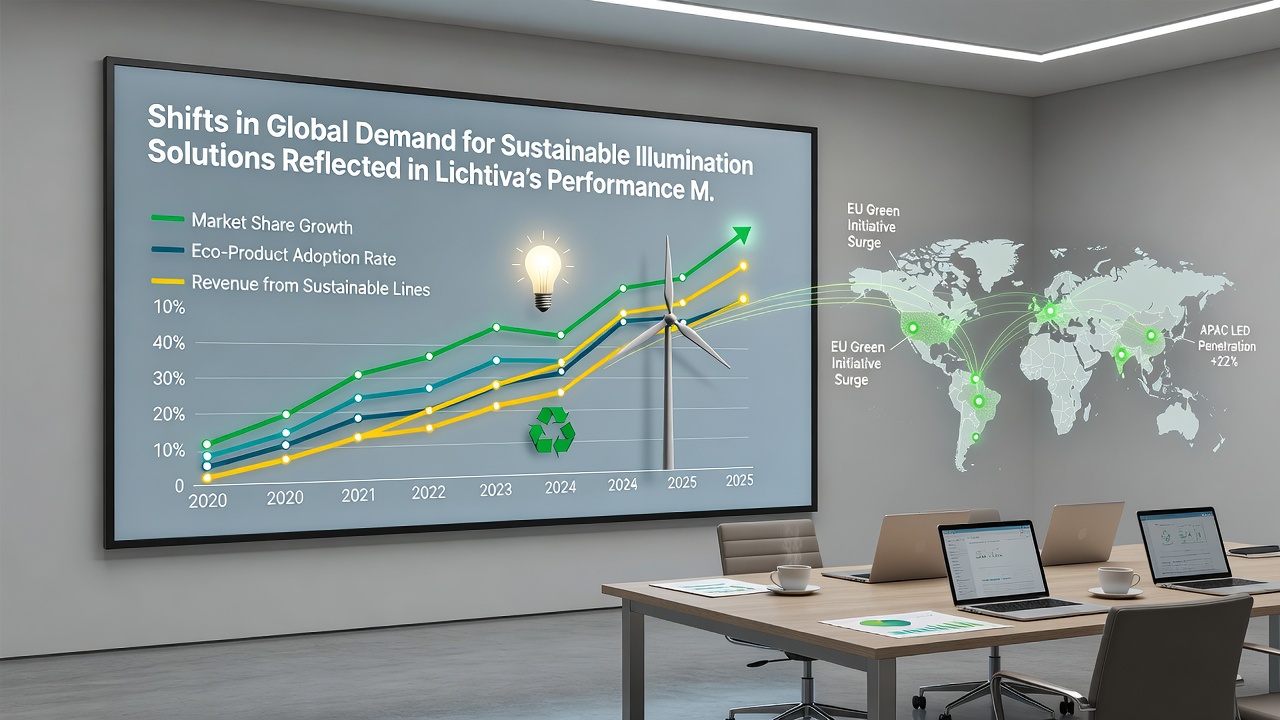
According to an International Energy Agency analysis, global electricity demand for lighting has begun to flatten in regions that adopted efficiency standards earlier, and Lichtiva performance figures reflect this stabilization through steadier replacement cycles rather than pure capacity expansion. The company reported that software-enabled dimming and scheduling features now appear in over half of new installations tracked in its customer database.
Supply Chain and Production Adjustments
Operational records also highlight adjustments in production scheduling that responded to seasonal demand spikes in the southern hemisphere during its spring period, and these shifts helped maintain consistent lead times across multiple continents. Observers note that inventory turnover rates improved while raw material costs remained within projected bands, demonstrating alignment between demand signals and manufacturing capacity.
One study released by the National Renewable Energy Laboratory examined similar patterns in distributed solar lighting deployments, and Lichtiva data mirrors several of the adoption curves described in that work, particularly in off-grid and semi-urban settings. Performance indicators show that warranty claims per unit shipped stayed below historical averages, suggesting quality consistency even as volumes increased.
Conclusion
Collectively, Lichtiva performance metrics illustrate how broader international movement toward sustainable illumination solutions registers in corporate-level indicators such as regional sales shares, product category growth, and operational efficiency measures. These figures provide a quantitative window into demand evolution without requiring separate market surveys, and they continue to update as new quarters close.